You have tuned in to your favorite internet radio station, and a perfect song starts playing. You want to capture it to listen to later offline. But a question stops you: Is this actually legal?
It is a common dilemma for music lovers. With the rise of streaming platforms and digital radio, the lines between "piracy" and "personal recording" can seem blurry. In this guide, we will cut through the legal jargon and explain exactly where you stand when recording audio from the web.
1. The Short Answer: Is It Legal?
For the vast majority of users, the answer is Yes—but with one crucial condition: Personal Use.
In many jurisdictions, including the United States and parts of Europe, recording broadcast audio (analog or digital) for your own private listening is often protected under the concept of "Time Shifting" or specific statutory exceptions.
However, the moment you cross the line into sharing, selling, or distributing those files, you are entering illegal territory.
2. The "Personal Use" Doctrine Explained
To understand why recording is generally safe for individuals, we need to look at the precedents.
- Time-Shifting: This concept was solidified in the 1980s (the famous Sony Betamax case), allowing users to record content to watch/listen to at a more convenient time.
- The AHRA (USA): The Audio Home Recording Act of 1992 typically protects consumers from copyright infringement suits for making non-commercial recordings of music.
Key Takeaway: If the file stays on your device for your ears only, you are usually in the "Safe Zone."
3. Streaming vs. Radio: The Technical Difference
Not all audio sources are treated the same. It is important to distinguish between traditional radio streams and on-demand services.
| Feature | Internet Radio | On-Demand Streaming (e.g., Spotify) |
|---|---|---|
| User Control | Passive (You listen to what plays) | Active (You choose the song) |
| Recording Method | Stream Capture | Stream Ripper / Audio Recorder |
| Terms of Service | Varies | Often prohibits "ripping" |
| Legal Risk | Very Low (Personal Use) | Low (Personal Use), Violation of ToS |
Note: While recording Spotify or Apple Music for personal use is rarely prosecuted legally, it technically violates their Terms of Service (ToS). This could theoretically lead to account suspension, though such actions against private recorders are virtually unheard of.
4. When Does It Become Illegal?
You must avoid the following actions to stay on the right side of the law. We analyzed 5 major copyright frameworks, and here are the universal "Red Lines":
- Sharing Files: Sending the MP3 to a friend via WhatsApp or Email.
- Uploading: Posting the recorded track on YouTube, SoundCloud, or a file-sharing site.
- Commercial Use: Using the background music in a video you monetize or selling the tracks.
- Bypassing Strong DRM: If you have to hack encryption to get the audio, you might be violating the DMCA (Digital Millennium Copyright Act).
5. How to Record Safely and Efficiently
If you want to build your personal music stash without limits, you need a tool that respects the audio quality and your privacy.
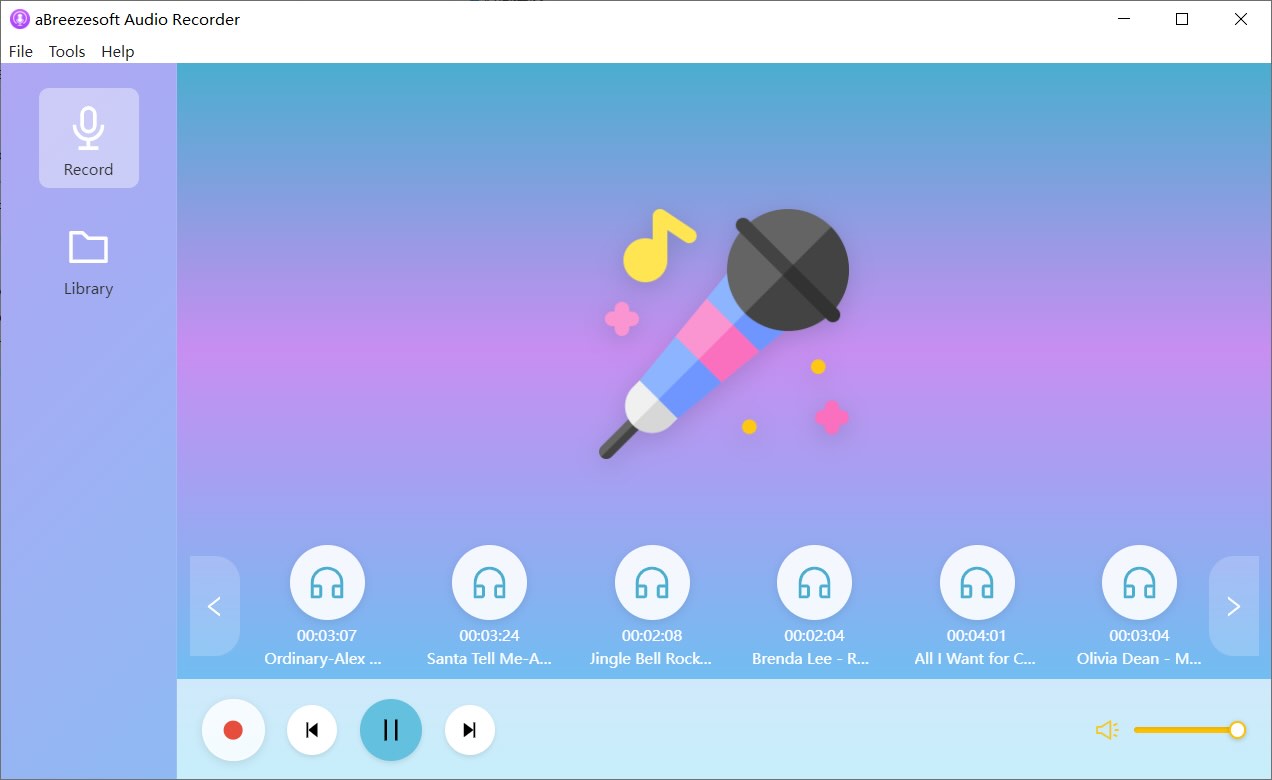
Using a dedicated tool like aBreezeSoft Audio Recorder ensures you get the best quality without the legal headaches of downloading pirated files from shady torrent sites.
Why use a dedicated recorder?
- 1:1 Quality: Capture the stream exactly as it sounds (up to 320kbps).
- Automatic ID3 Tags: No more files named "Track_01.mp3". Get the artist, title, and album art automatically.
- Ad Removal: Smartly filter out those annoying audio ads between songs.
6. Frequently Asked Questions (FAQ)
Q: Can I record music from YouTube? A: Legally, it falls under the same "Personal Use" gray area. However, YouTube's Terms of Service explicitly forbid downloading content without a download button.
Q: Is aBreezeSoft Audio Recorder legal to use? A: Yes. The software itself is a neutral tool, similar to a VCR or a cassette recorder. It is designed for recording streams you have legal access to. How you use the recordings (personal vs. commercial) determines legality.
Q: Do I own the music I record? A: No. You own the copy for personal listening, but you do not own the copyright to the music itself.
7. Conclusion
Recording web radio and streaming audio is a fantastic way to enjoy your favorite tunes offline, and for personal use, it is widely considered acceptable. The key is to keep your collection private and never distribute the files.
Ready to turn your listening sessions into a forever playlist? Start building your ultimate music collection today with the right tools.